Key takeaways
- Email marketing works because you own the list: no algorithm decides who sees your message.
- Start with five foundations: a platform, an authenticated domain, a signup form, a welcome email and a regular sending rhythm.
- Only email people who explicitly asked to hear from you, and make unsubscribing one click.
- Track clicks, conversions, unsubscribes and spam complaints. Open rates are no longer reliable on their own.
- Consistency beats volume: one useful email every week or two outperforms random blasts.
In this guide
- What email marketing is (and why it still wins)
- The 5 foundations to set up before your first send
- How to choose an email marketing platform
- Build your first list the right way
- Understand the main types of emails
- Write your first campaign: a simple structure
- Respect the rules: consent and sender requirements
- Automate early: three automations every beginner needs
- The metrics that actually matter
- Common beginner mistakes to avoid
- Your 30-day email marketing launch plan
- Frequently asked questions
What email marketing is (and why it still wins)
Email marketing means sending useful, relevant messages to people who have asked to hear from you: newsletters, product updates, tips, offers, reminders. The key word is asked. Everything that makes email marketing work, from deliverability to sales, depends on permission.
The main advantage of email is ownership. On social networks, an algorithm decides how many of your followers see a post, and that number can drop overnight. Your email list is a direct line. If you have 2,000 subscribers today, you can reach those 2,000 people tomorrow, next year, and on whatever platform you move to.
Email also compounds. A good welcome sequence keeps working for every new subscriber. A strong newsletter builds trust issue after issue, so that when you do make an offer, people already know you. In my agency work, the clients who treat email as a long-term relationship instead of a megaphone are always the ones who get the best results.
The 5 foundations to set up before your first send
Beginners often want to write the perfect first email. Resist that. Get the foundations right first, because they are much harder to fix later.
- An email marketing platform. Never send marketing emails from your personal Gmail or Outlook account. You need a platform (also called an ESP, email service provider) that manages subscribers, unsubscribes, bounces, templates and reports.
- Your own domain. Send from an address like
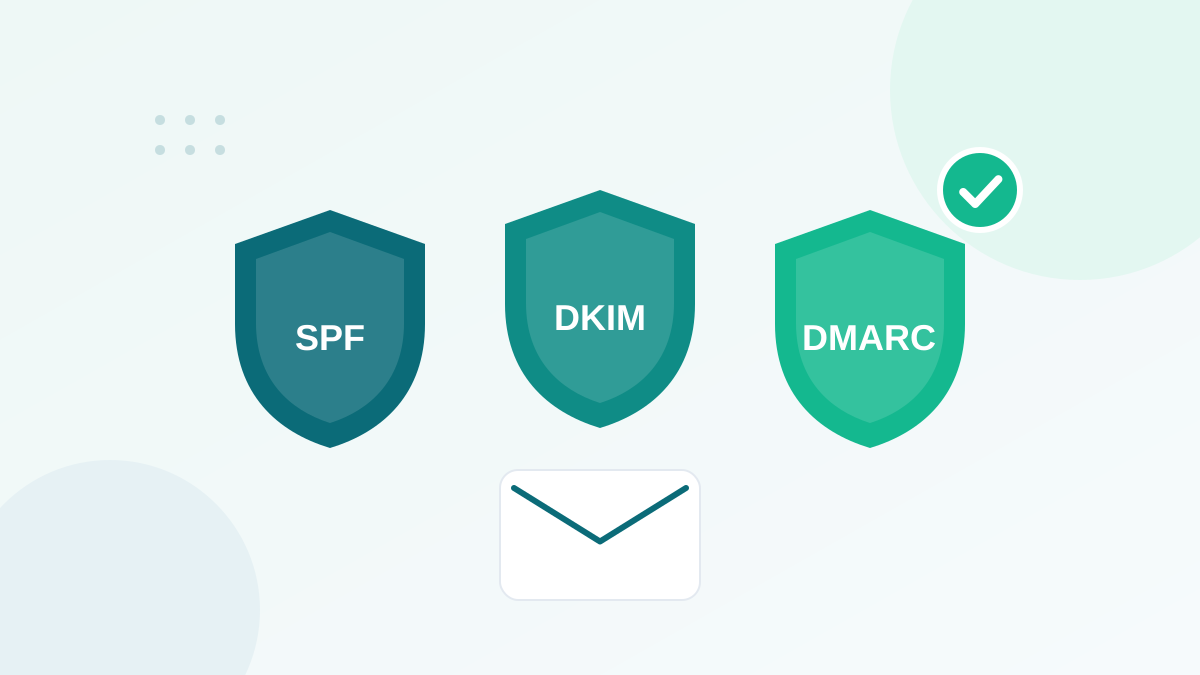
hello@yourbrand.com, not from a free address. Mailbox providers trust domains that you authenticate and control. - Domain authentication. Set up SPF, DKIM and DMARC so that Gmail, Yahoo and Outlook can confirm that your emails really come from you. This is now required, not optional. My SPF, DKIM and DMARC guide walks you through it.
- A signup form. One clear form on your website with a specific promise: what people will receive and how often.
- A welcome email. An automatic message sent the moment someone subscribes. It confirms they are in the right place and delivers what you promised.
Once these five elements are in place, you have a working email system. Everything else is improvement.
How to choose an email marketing platform
There are dozens of platforms, and most of them can send a newsletter. As a beginner, the differences that really matter are these:
| Criterion | Why it matters for a beginner | What to look for |
|---|---|---|
| Free plan | Lets you learn without pressure | Enough contacts and sends for your first months |
| Pricing model | Decides your bill as you grow | Pricing by emails sent is often cheaper than pricing by contacts |
| Editor | You will use it every week | Drag-and-drop, mobile preview, reusable templates |
| Automation | Welcome and follow-up emails run without you | Visual workflows, available on the free or entry plan |
| Deliverability tools | Your emails must reach the inbox | Guided domain authentication, automatic bounce handling |
| Forms and landing pages | You need a way to collect subscribers | Embeddable forms, double opt-in option |
Do not over-optimize this choice. Pick a reputable platform with a free plan, learn the basics, and move later if you outgrow it. Your list can be exported from any serious tool.
Build your first list the right way
Your list is your most valuable marketing asset, so build it cleanly from the start. There is one rule above all others: never buy, rent or scrape email lists. Purchased lists are full of people who never agreed to hear from you, invalid addresses and spam traps. They lead to complaints, bounces and blocked accounts. Every serious platform forbids them.
Instead, offer something specific in exchange for an email address:
- A lead magnet: a checklist, template, guide or mini-course that solves one problem quickly.
- A newsletter with a clear promise: "One practical email marketing tip every Tuesday" beats "Subscribe to our newsletter".
- A discount or early access if you sell products.
- A content upgrade: a bonus resource attached to a specific blog post.
I cover twelve proven methods, from embedded forms to partnerships, in my guide on how to build an email list from scratch.
Typos and fake addresses enter through your forms. Use double opt-in, or check addresses in real time at signup, so you never pay for or send to addresses that do not exist. See how email verification works.
Understand the main types of emails
Most email programs combine four types of messages. Knowing them helps you plan instead of improvising.
Welcome and onboarding emails
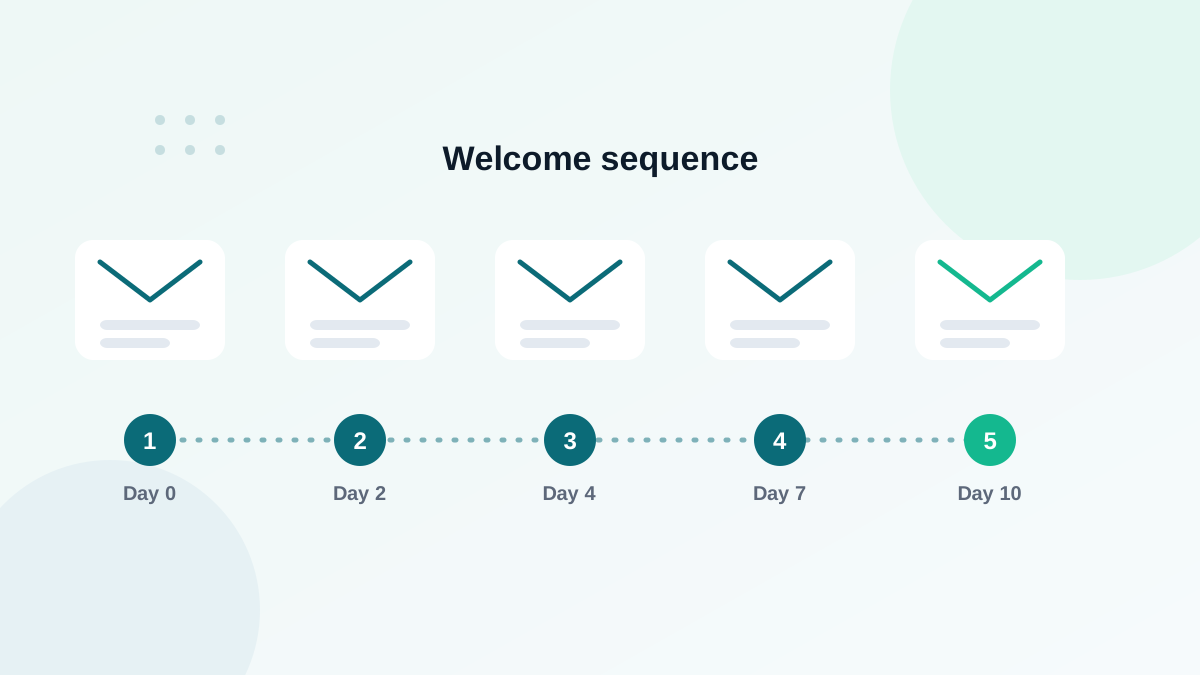
Sent automatically after signup. They get the highest engagement of anything you will send, so they deserve real attention. Here is my structure for a five-email welcome sequence.
Newsletters
Regular emails with useful content: tips, news, stories, curated links. Their job is to keep the relationship alive and build trust between offers.
Promotional emails
Offers, launches, sales and announcements. They make money, but only if the relationship exists. A list that only receives promotions gets tired quickly.
Transactional emails
Order confirmations, password resets, receipts. They are triggered by an action and are expected, so they are opened a lot. Keep them clear and avoid stuffing them with promotions.
Write your first campaign: a simple structure
A good marketing email is not long or clever. It is clear. Use this structure for your first campaigns:
- A subject line that states the benefit. "3 ways to cut your bounce rate this week" is better than "Newsletter #4". Keep it short enough to read on a phone.
- Preview text that completes the subject. It is the grey line next to the subject in most inboxes. Use it, or your email client will fill it with random text.
- One main idea. Each email should do one job: teach one thing, announce one offer, ask one question.
- Short paragraphs written to one person. Write "you", not "our valued customers". Read it on your phone before sending.
- One clear call to action. One button or link that tells the reader exactly what to do next.
- A human signature and an easy unsubscribe. A real name builds trust. A visible unsubscribe link protects your reputation: people who cannot leave will click "report spam" instead.
Respect the rules: consent and sender requirements
Email marketing is regulated almost everywhere. The details depend on where your subscribers live, but a few principles are universal:
- Consent: in the European Union (GDPR) and many other regions, you need clear, freely given consent. In the United States, CAN-SPAM is more permissive but still requires honest headers, a physical address and a working opt-out.
- Identification: say who you are and why the person is receiving your email.
- Easy unsubscribe: every marketing email must include a working unsubscribe option, processed quickly.
Mailbox providers add their own technical rules. Gmail and Yahoo have required authentication and easy unsubscribes since 2024, and Outlook began enforcing similar rules for high-volume senders in 2025. Gmail asks senders to keep their user-reported spam rate below 0.1% and never reach 0.3%. If your emails start landing in spam, my guide to fixing spam placement explains what to check.
This is general information, not legal advice. Check the rules that apply in your country and your subscribers' countries.
Automate early: three automations every beginner needs
Automation sounds advanced, but the basic workflows are simple and save you hours.
- Welcome sequence: triggered when someone joins your list.
- Lead magnet delivery: sends the promised resource instantly.
- Re-engagement: triggered when a subscriber has not clicked for a few months, to ask if they still want your emails. This keeps your list healthy, as explained in my list cleaning guide.
The metrics that actually matter
Email platforms show dozens of numbers. Focus on these:
| Metric | What it tells you | Healthy direction |
|---|---|---|
| Click rate | Whether your content and call to action interest people | Stable or rising over time |
| Conversion rate | Whether clicks turn into sales, signups or bookings | Measured on your website or shop |
| Bounce rate | The quality of your list | Under 2% total (see bounce rate benchmarks) |
| Unsubscribe rate | Whether frequency and relevance fit your audience | Low and stable; spikes deserve a look |
| Spam complaint rate | Whether people feel you are unwanted | Below 0.1% |
| Open rate | A rough signal only | Compare trends, not absolute numbers |
Why are open rates unreliable? Privacy features such as Apple Mail Privacy Protection load images automatically, which can count an email as "opened" even if nobody read it. Use opens to compare subject lines over time, but judge your campaigns on clicks and conversions.
Common beginner mistakes to avoid
- Sending irregularly: disappearing for three months and then sending a big promotion leads to complaints. People forget who you are.
- Importing old contacts without checking them: old address books are full of dead addresses that bounce. Verify them first.
- Skipping authentication: without SPF, DKIM and DMARC, even perfect emails can land in spam or be rejected.
- Hiding the unsubscribe link: it does not keep people; it turns them into spam complaints.
- Writing for yourself: talk about the reader's problems, not about your company.
- Measuring only opens: follow clicks, replies and sales instead.
Your 30-day email marketing launch plan
| Week | Actions |
|---|---|
| Week 1 | Create your platform account, connect your domain, set up SPF, DKIM and DMARC, create your sender address. |
| Week 2 | Create a lead magnet, add a signup form to your website, write and activate your welcome email. |
| Week 3 | Promote your form on your best pages and social profiles. Write and send your first newsletter to your first subscribers. |
| Week 4 | Review clicks and replies, adjust your form promise, schedule your next two emails and stick to your rhythm. |
That is all it takes to start. Email marketing rewards patience: a small list of people who chose you is worth far more than a big list of strangers. Start clean, send useful emails regularly, and your list will become your most reliable marketing channel.
Frequently asked questions
How much does it cost to start email marketing?
You can start for free. Most platforms, including Brevo, have a free plan that covers a beginner list. Your real costs are a domain name and the time you spend creating content.
How often should a beginner send emails?
Pick a rhythm you can sustain, usually once a week or every two weeks. Consistency matters more than frequency because subscribers learn when to expect you.
Is email marketing still worth it in 2026?
Yes. Email is one of the few channels where you own the audience. Social reach depends on algorithms; an email list stays yours and keeps delivering value as it grows.
Can I buy an email list to get started faster?
No. Purchased lists contain people who never agreed to hear from you, plus invalid addresses and spam traps. They damage your sender reputation and break the rules of every serious email platform.
What is a good click rate for a beginner?
For most newsletters, a click rate between 1% and 5% of delivered emails is normal. Compare yourself with your own previous campaigns rather than chasing industry averages.